Settling a deceased person's estate: probate procedure, executor duties, and deciding how much legal help to pay for
Filing probate in El Paso? Four forks decide most of what it costs
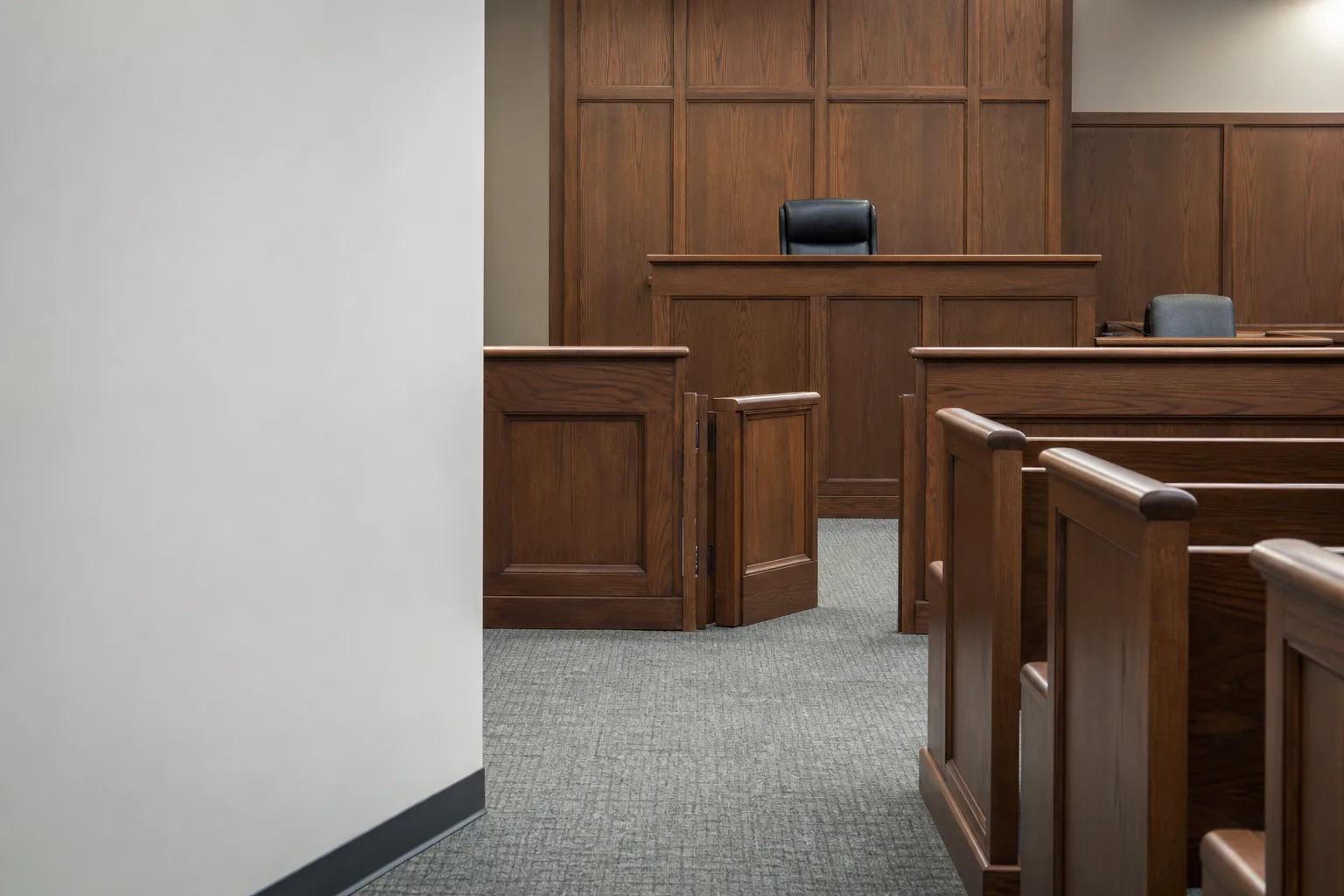
Value is not the cost driver
Two estates of identical value can differ enormously in what probate costs. The difference comes from procedure, paperwork defects, and family agreement, not from the size of the balance sheet.
This is the standard Texas path for a will that names an executor and waives bond. After the initial hearing and the inventory, the court usually has no further involvement, which keeps attorney time low.
Dependent administration
Muniment of title
The self-proving affidavit
A widow in El Paso brought in a will signed in 1994 at a bank branch, witnessed by two tellers, with no notary page attached. Her husband had died owning a house on the west side, a pickup, a checking account, and a small brokerage account with no beneficiary listed. On paper this is a simple estate, and the total value would not have troubled anyone at the IRS, which is responsible for federal estate and fiduciary income tax filings and sets the thresholds that decide whether a return is due at all. The cost of settling it still varied by a factor of five, and the reason had almost nothing to do with what the assets were worth.
It had to do with four decisions, three of which were made before the death and one of which gets made in the first meeting with an attorney. Which probate procedure the estate qualifies for. Whether the will was self-proved. Whether the people who inherit are going to agree with each other. And how the lawyer charges. Those four forks account for most of the spread in both time and money, and once you can see which side of each one you are on, a fee quote stops being a mystery and starts being arithmetic you can check.
The procedure is the biggest single number
Texas offers a range of paths and they are not priced alike. Independent administration, where the court appoints the executor and then largely steps back, is the cheap one: an application, a hearing that often runs under ten minutes, an oath, letters testamentary, an inventory, and in most cases no further court involvement. Dependent administration, where the court approves the sale of the house and the payment of each claim, is the expensive one, because every action generates a motion, an order, and attorney time. Between them sit the small-estate affidavit, the muniment of title, and the affidavit of heirship, each of which fits a narrow set of facts and, when it fits, ends the matter for a fraction of the price.
The practical point is that qualifying for the lighter procedure is worth more than negotiating a lower hourly rate. A muniment of title on a house with a clean will can be done for what an administration costs in filing fees and citation alone. Whether you qualify turns on unsecured debts, on whether anyone needs authority to sell things or deal with a bank, and on what the will itself says. That question deserves a careful answer at the outset rather than a default assumption that a full administration is required.
The self-proving affidavit, and what its absence buys you
A self-proved will carries a notarized affidavit, signed by the testator and both witnesses at the time of signing, stating that the formalities were observed. When it is there, the will proves itself and nobody has to be found. When it is missing, as it was with the 1994 bank will, someone must testify: one of the subscribing witnesses, or, failing that, two people who can identify the handwriting. Twenty-nine years later, one teller had died and the other had moved to Arizona. Locating her, arranging a deposition on written questions, and getting it filed added weeks and a bill that was larger than the entire filing fee.
That is the whole cost of a missing notary block, and it is worth knowing because it is the one fork you can still close for your own family this month. It is also the reason a good Probate Attorney in El Paso asks to see the last page of the will before quoting anything, since the presence or absence of that affidavit changes the shape of the work more than the value of the estate does.
Agreement among heirs is the variable with no ceiling
Everything above has a knowable price. Contest does not. A single objection converts an uncontested application into litigation, with an ad litem attorney appointed for unknown heirs, discovery, and hearings that get reset. The dispute is rarely about money in the abstract; it is about the house, a vehicle promised verbally, or a child from a first marriage who was told something different. Where families are talking to each other, the entire administration can run on documents and one short hearing. Where they are not, the fee stops being a quote and becomes a meter, which is why the first conversation an executor should have is with the other beneficiaries rather than with a lawyer.
How the lawyer bills, and what each structure hides
Flat fees dominate uncontested probate in Texas for a reason: the work is predictable, so the price can be. What matters is the boundary of the flat fee. Ask in writing whether it includes the filing fee, citation and posting, the certified copies of letters testamentary that every bank will demand, the inventory, and the affidavit of heirship if the will turns out to be defective. Hourly billing is appropriate for anything contested, and the honest quote for that work is a rate plus a retainer, not a number. A percentage of the estate is a poor fit for a straightforward administration, because the value of the house has no relationship to the work required to transfer it.
Four questions, then, and you can answer three of them before you spend a dollar: what is in the estate and what debts sit against it, whether the will was self-proved, and whether anyone is unhappy. The fourth you settle by asking for the fee agreement in writing and reading the exclusions. The pages on executor duties, on estates that avoid probate entirely, and on reading a fee quote take each of these apart in detail.
If no self-proving affidavit exists, a subscribing witness must testify, or two people must identify the handwriting. Tracking down a witness decades later is slow and billed by the hour.
Most of the difference between a $2,500 probate and a $25,000 one comes down to four early decisions, not to the size of the estate.
Ad litem appointments
| Talk to the beneficiaries first | Most contests start with a verbal promise nobody wrote down. A single conversation before filing often prevents the one variable that has no upper limit on cost. |
| Reading the fee agreement | The useful question is not the headline number but what sits outside it. Get filing fees, citation, posting, certified copies, and the inventory addressed in writing before signing. |
| Value is not the cost driver | Two estates of identical value can differ enormously in what probate costs. The difference comes from procedure, paperwork defects, and family agreement, not from the size of the balance sheet. |